The invisible aircraft that glows

Modern stealth aircraft may appear almost invisible to radar systems, yet they remain conspicuous in another part of the electromagnetic spectrum. Every watt of thrust generated by a speeding jet engine eventually becomes heat, causing even the most advanced stealth aircraft to glow in the infrared spectrum
During most of World War II, aircraft survivability depended primarily on speed, maneuverability, armor protection, and tactics rather than on stealth as we know it today. Since the first use of IR sensing technology in 1937, it has steadily become a matter of concern. IR (Infrared) sensing technology was limited to laboratory research till the 1960s, a consequence of the rapid development of RADAR (Radio Detection and Ranging) technology, which set the board for a technologically sophisticated game of chess.
During the initial stages, RADAR systems became the dominant means of long-range aircraft detection because radio waves experience relatively low atmospheric attenuation and can travel long distances under a wide range of weather conditions.
This proved to be a double-edged sword for early RADAR systems, as detecting aircraft at long ranges required the transmission of high-energy radio pulses, as intensity is lost by the inverse square law, coupled with loss of intensity due to transmission through the atmosphere filled with several gases and pollutants.
An emission of such magnitude makes RADAR stations easily detectable by any aircraft, effectively trading location data that may prove crucial if the detector is also on an aircraft. Despite this disadvantage, the range and reliability of radar made it indispensable for air defense.
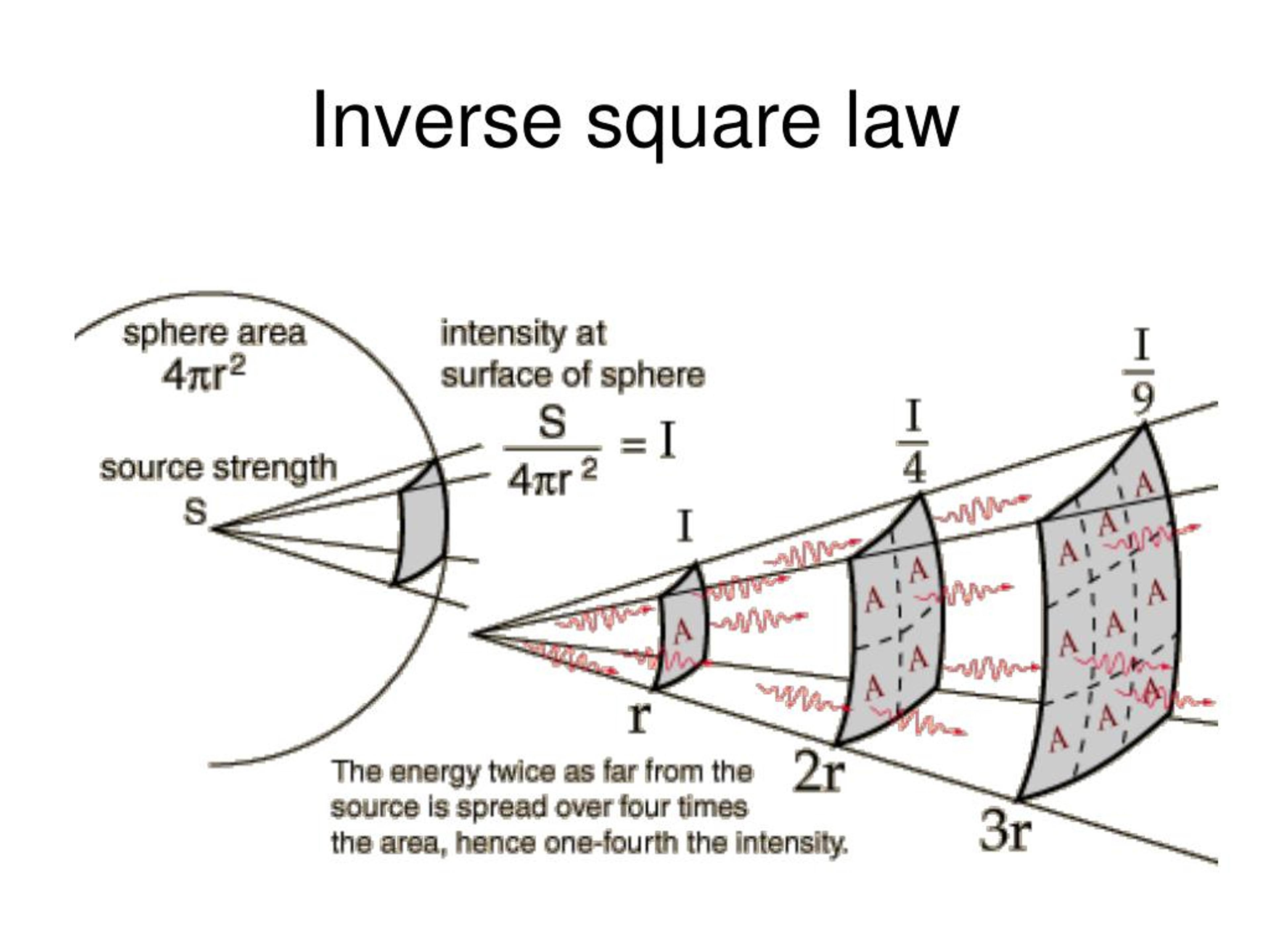
This is where IR detection shines, pun intended. As IR waves are naturally emitted from any hot body, an aircraft weighing several tonnes and traveling at Mach speeds, with its powerful engines producing a lot of heat while operating at extreme temperatures, is hardly subtle.
By detecting aircraft by IR waves rather than Radio waves, we can preserve the location of the detection sites. However, IR detection is easier said than done. Infrared radiation is absorbed by atmospheric gases, its intensity reduced by distance, and often masked by background thermal radiation from the environment. Modern IR sensors are so sensitive that they are actively cooled by Liquid Nitrogen to lower the NEI (noise equivalent intensity), where the noise here refers to the IR waves emitted as a result of heating of the sensor mechanisms during operation!
RADAR technology evolved significantly as well. Instead of mechanically rotating antennas to scan the skies, modern Active Electronically Scanned Array (AESA) radars steer their beams electronically. Thousands of small independent transmitter-receiver modules work together to rapidly redirect the radar beam without moving parts, allowing for faster target tracking, improved resistance to jamming, and a lower probability of interception.
Such advancements in RADAR were answered by stealth advancements in both aircraft structure and material, which were adapted to reflect as few RADAR waves back as possible, or reflect them away from the detector. RAMs (Radar Absorbent Material), which would absorb most frequencies of radio waves and convert them to heat, were developed.
The structure was modified to avoid right angles, which would reflect the waves right to their origin, as first seen in the F-117A. The curvature was moderated to ensure no sharp points on the hull except on the extremities, as seen in the B-2 Spirit, to minimize strong radar reflections and redirect incoming radar energy away from the source.
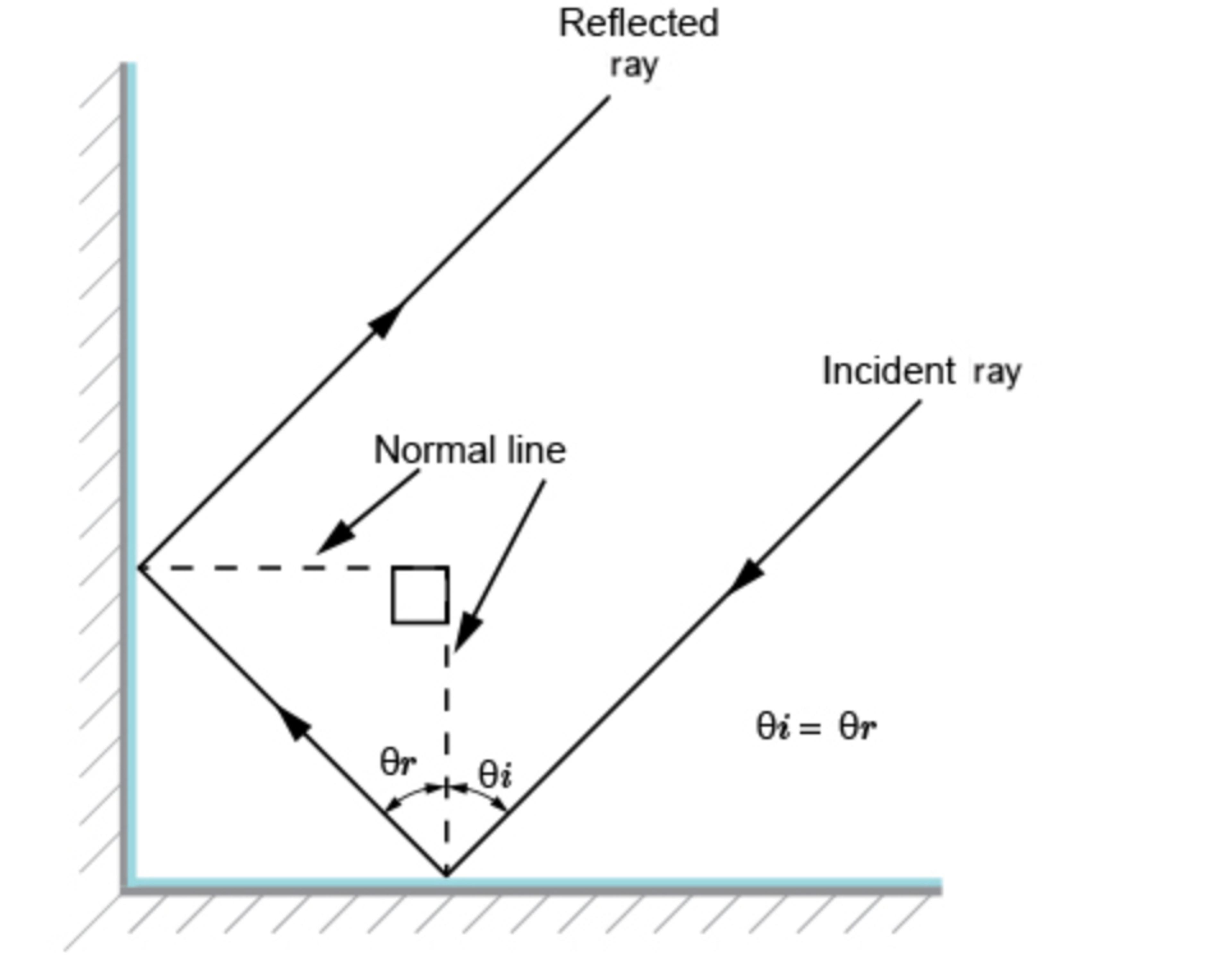
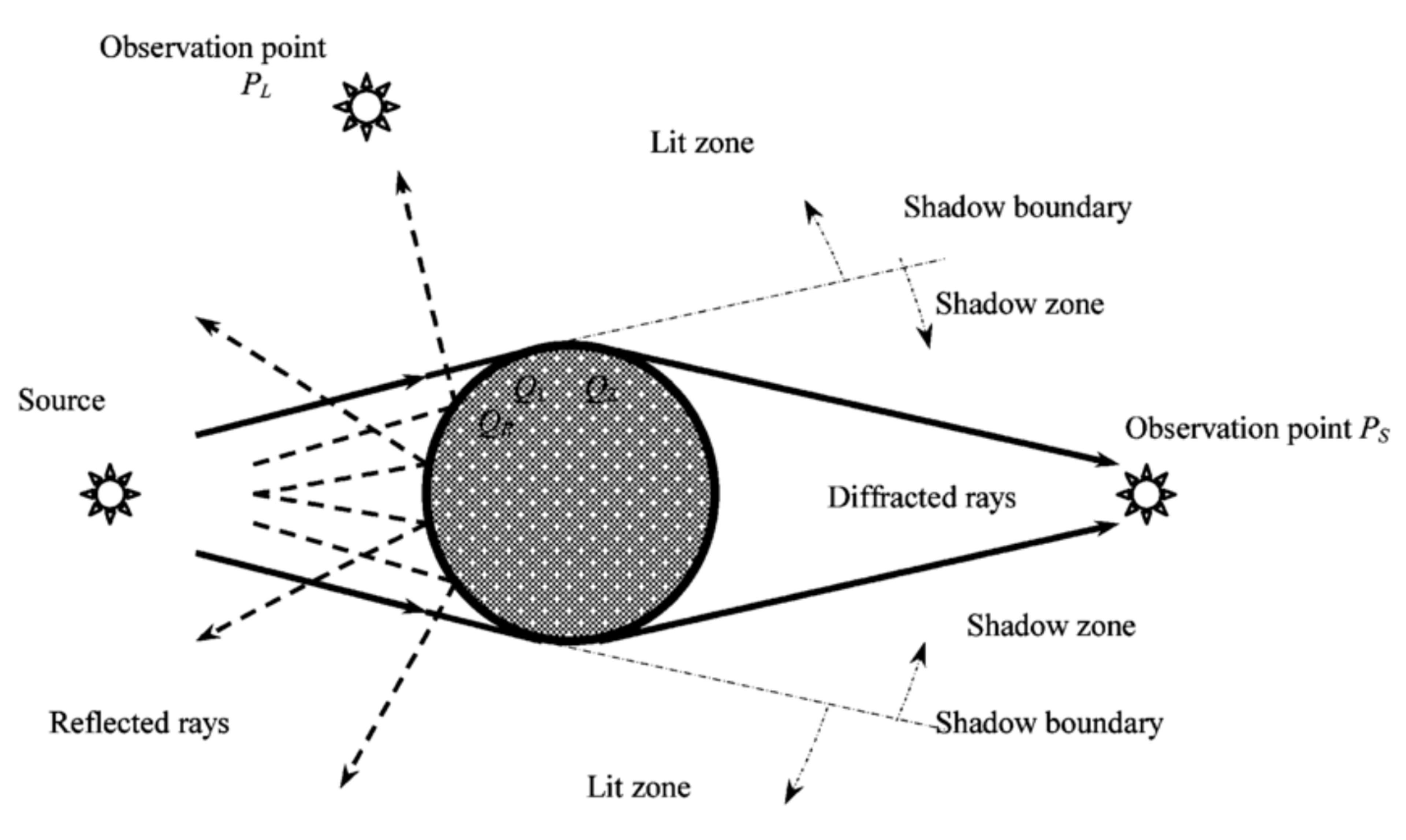
The ends of the trailing, and all opening panels, have serrated edges to effectively minimize radar cross section (RCS), and such panels are required to preserve continuity of the curvature, and to cover the cavities that would otherwise exacerbate the RCS. The openings that cannot be covered however are the air intake and the exhaust, which are critical areas for stealth.
While they can be partially countered by coating with RAMs, the IR signature of the nozzle and plume cannot be hidden. For bombers like the B-2 Spirit, the intake and exhaust are placed above the aircraft, reducing its visibility to ground-based infrared sensors; however, fighter jets have no such luxury, as they must have high manoeuvrability. The aircraft produces heat by combustion and aerodynamic heating at high speeds. To minimize the plume IR signature, the exhaust nozzle would be rectangularly shaped, as seen in the F-117A and the F-22, rather than the classical conical shape, as this forces spread and, in turn, contributes to rapid dissipation of the hot gases. The engine itself is cooled both by the diverted incoming cooler air, which will reduce maximum thrust capacity at the price of more stealth, and by the fuel used by the jet itself, which is advantageous to the fuel performance as well.
To summarize, RADAR stealth focuses primarily on reducing reflected energy from an external source, while Infrared relies on the heat produced while operating. The challenge now is to manage and redistribute thermal energy while also maintaining a low RCS without compromising on performance.
Ultimately, in this arms race, no aircraft bound by the laws of nature can be fully invisible, not for long at least, as detection methods will only improve over time. Newer technologies like AI are being implemented to recognize common flight signatures to further the ability of detection, and a lot of time and resources will continue to be invested in the development of these technologies. These have several applications in other fields, besides bringing satisfaction to our human curiosity!


